
Newsletters
Your Action Brief
View From the Bridge
In February’s Action Brief, we identified that, for the first two months of the year, “discipline” was a through-line in our thinking and writing. March has been about what that discipline makes possible.
The barrier to building digital products has dropped. That part is largely solved. What’s not solved is everything that comes before and after that.
Across this month’s content, a pattern is clear: AI is accelerating output, but it’s also surfacing the gaps around alignment, structure, and follow-through that determine whether anything actually sticks. Validation, shared understanding, and system design are now the pain points.
The advantage is shifting, not to those who can build, but to those who can make what they build actually work effectively in the world.

Your Analytics Advantage
From Idea to Something That Actually Works
AI has made it easier than ever to build, but building isn’t the hard part. This issue of Analytics Advantage gets at the real constraint: moving from idea to something another person actually wants to use, and can use. The moment a product leaves your head and meets the messy world, assumptions break, unnecessary complexity surfaces, and the real work begins. Faster tools don’t replace validation, they make it unavoidable. 👉 Read the blog version.
You Can Just Do Things
AI doesn’t just make building digital products easier, it also changes who gets to build them. In this issue, Shaun Davis traces a familiar shift: from waiting on requirements and job queues to users building exactly what they need, when they need it. As creation friction approaches zero, the role of teams changes from gatekeepers to enablers.
The takeaway? Advantage now goes to organizations that empower builders, not block them. 👉 Read the blog version.
More From Action
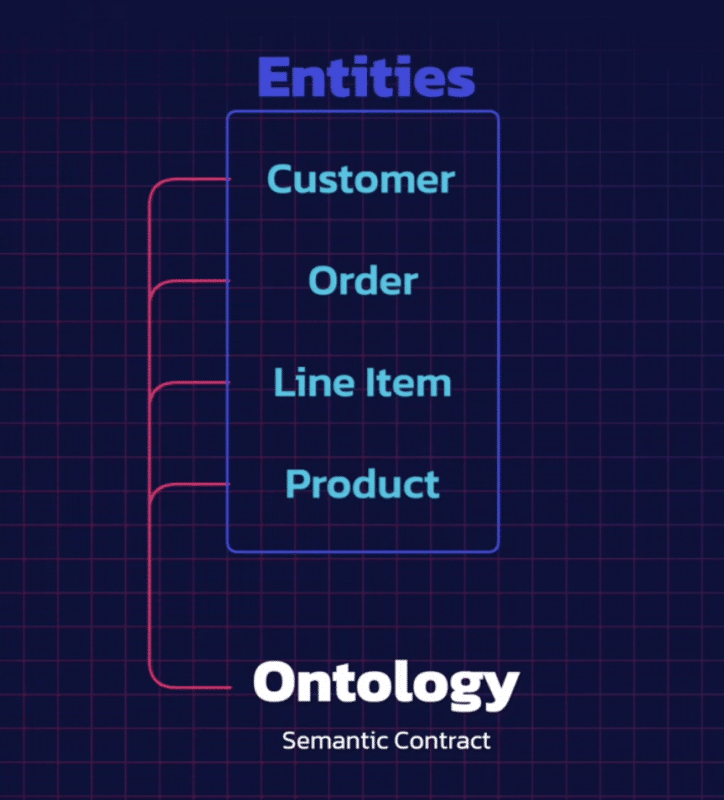
Ontology Keeps You Grounded (Animated Short)
Many companies think their analytics problem is a dashboard problem. It usually isn’t. The real issue is often deeper, in how work, data, and decisions are structured in the first place.
In this short animated video, Keith Helfrich explains why ontology is the missing layer behind slow insights and fragmented analytics.
Where does analytics friction show up most in your organization? Tools or structure? 👉 Watch the short video, then check out the full article for a deeper explanation.
The Action AI Reader
One of the many disruptions of AI is that it’s exposing what organizations haven’t fully solved yet.
Here we bring together all of Action’s recent thinking on AI as it’s impacting the business world. We view it not as a tool problem, but as a systems problem. Across topics like AI vs. automation, ontology and grounding, metadata, hiring, and platform shifts, the message is consistent: success with AI depends less on the model and more on the conditions around it. AI doesn’t fix weak foundations, it makes them visible. 👉 Read the blog post.
Say Less. Mean More. The Action Voice
Most teams don’t fail because of bad data, they fail because of imprecise language. This article, part of Action’s new Ethos series, makes the case that how a team speaks is structural. Loose language creates hidden misalignment. Precise language surfaces risk early, shortens decision cycles, and protects time and trust. At Action, voice isn’t about tone, it’s about creating a shared reality where better decisions become possible. 👉 Read the blog post.
One From the Action Vault
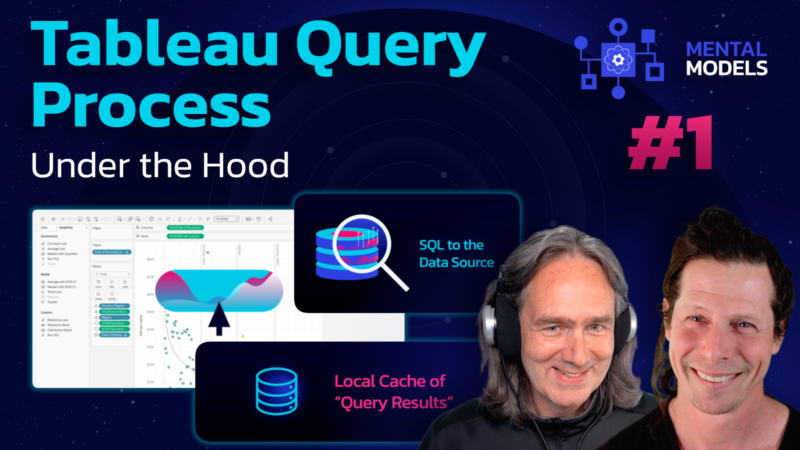
Mental Model: The Tableau Query Process
What actually happens when you drag and drop in Tableau? This Sensemakers video and companion blog post break down the full query path, from canvas to VizQL to cache. This mental model approach offers a clear understanding of how Tableau processes and returns data. Along the way, it challenges a foundational assumption by redefining what “data” actually is, and what it means for data to be truly “tidy.”
Understanding the system beneath the interface leads to better decisions on top of it. 👉 See the blog post and video.
Meet the Actionauts – Jay Farias
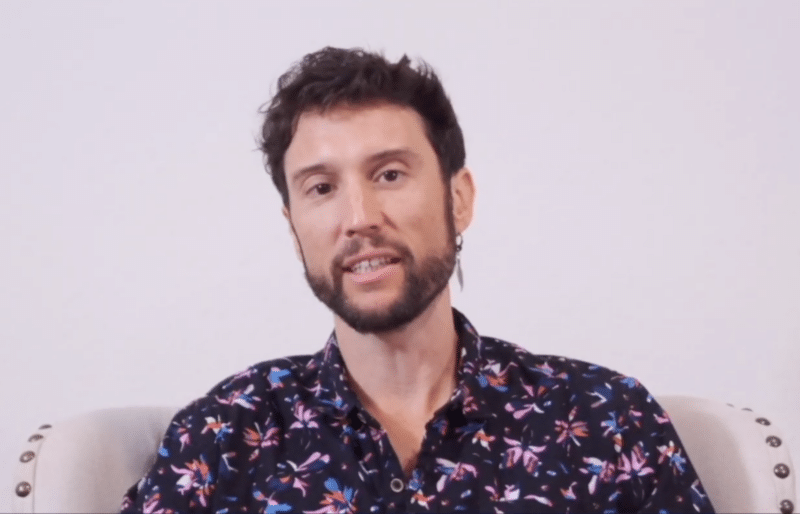
Jay Farias brings structure to one of the most overlooked sources of friction in the modern workplace: team collaboration itself.
As Action’s Collaboration Architect, Jay designs and facilitates intentional working sessions that replace circular discussion with clear decisions. His approach blends systems thinking, analytics strategy, facilitation craft, and conscious leadership to help teams align quickly and move forward with confidence.
Jay’s work centers on creating what Action calls an “effective shared reality.” Teams agree not just on the data, but on what it means and what to do next. Whether through workshops, dashboards, or structured dialogue, his focus is consistent: reduce ambiguity, increase clarity and intrinsic team motivation, and make progress inevitable.
Outside of client work, you’ll find Jay climbing, teaching yoga, or exploring the country with his family in a self-built camper van.
👉 If you’d like to know more about Jay’s collaboration and facilitation services, you can book a chat with him.
The Action Way
The Action Way is our ethos in practice: small, memorable principles that shape how projects move forward and how we treat each other. By sharing these, we invite readers inside our culture, showing that our approach to analytics is rooted as much in clarity, thoughtfulness, and discipline as it is in data.
“Apply a Green Lens. We choose to see others as whole, heroic, and already contributing. This transforms how we collaborate, especially in moments of tension.”
From the Quotebase
“The best advice I got when I became a consultant: ‘Nobody cares if you’re a [data] rockstar. They care if you can make THEM a rockstar.’” — Robert Rouse